The Diet Break: The Secret Weapon for Sustainable Fat Loss and a Faster Metabolism
For years, I thought dieting harder meant faster results. I cut calories lower, trained longer, and watched the scale… not move. My energy crashed, my workouts suffered, and my motivation disappeared.
It took me one year – and 52 pounds lost – to realize that the real secret wasn’t more restriction.
It was knowing when to take a break.
What Is a Diet Break (and What It’s Not)
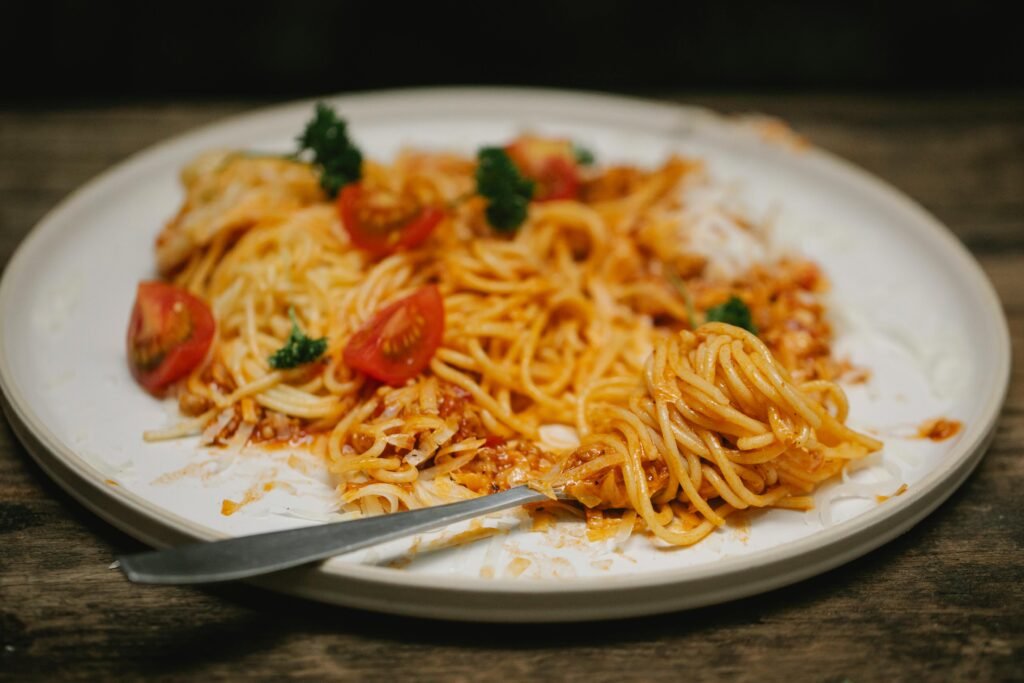
A diet break is a short, planned phase where you bring calories back up to maintenance levels — usually for one to two weeks.
It’s not a “cheat week,” and it’s not quitting your diet. It’s a strategic pause that helps your metabolism, hormones, and mind recover before continuing the fat loss journey.
Think of it as taking your car in for maintenance before the engine burns out.
The Science Behind It
When you stay in a calorie deficit for too long, your body fights back.
Hormones like leptin and thyroid (T3, T4) decrease, your NEAT (non-exercise activity thermogenesis) drops, and your body becomes more efficient — meaning you burn fewer calories doing the same things.
A diet break temporarily reverses those adaptations:
- Leptin levels rise again, reducing hunger.
- Cortisol drops, lowering stress and inflammation.
- Thyroid activity improves, increasing your metabolic rate.
- Glycogen stores refill, restoring training performance.
In short, it tells your body: “We’re safe. You can burn fat again.”
References:
- Byrne, N.M., Sainsbury, A., King, N.A., Hills, A.P., & Wood, R.E. (2018). Intermittent energy restriction improves weight loss efficiency in obese men: the MATADOR study. International Journal of Obesity, 42(2), 129–138.
- Peos, J.J., et al. (2021). Intermittent energy restriction and refeeding: A review of the mechanisms and evidence for improved body composition outcomes. Sports Medicine, 51, 255–281.
- Trexler, E.T., Smith-Ryan, A.E., & Norton, L.E. (2014). Metabolic adaptation to weight loss: implications for the athlete. Journal of the International Society of Sports Nutrition, 11(1):7.
- Müller, M.J., et al. (2016). Adaptive thermogenesis with weight loss in humans. Obesity Reviews, 17(S1), 25–35.
My Experience with Diet Breaks – The Turning Point
Back when I was dieting aggressively, I didn’t even know this concept existed.
I lived in a permanent deficit — low calories, endless cardio, and that constant “grind” mentality.
At first, it worked… until it didn’t.
I hit wall after wall: always cold, tired, and frustrated. The scale froze, my strength dropped, and my metabolism slowed to a crawl.
That’s when I discovered the concept of planned maintenance phases — the diet break.
The first time I tried it, I was terrified. Eating more felt like failure.
But within a week, my energy returned. My lifts improved. My sleep deepened.
And when I went back to a deficit, I started losing fat again — faster than before.
That’s how I eventually lost 52 Pounds while keeping my muscle, energy, and motivation intact.
I didn’t just lose weight. I rebuilt my metabolism.



When (and How Often) to Take a Diet Break
The ideal timing depends on how lean you are and how long you’ve been dieting.
Here’s a simple guideline:
- If you’ve been cutting for 6–8 weeks, take 1 week at maintenance.
- If your deficit is deep or your training volume is high, take up to 2 weeks.
- Adjust based on feedback: energy, sleep, libido, mood, and training performance.
Your body gives clues. If you feel constantly tired, hungry, and irritable — it’s time.

How to Do It Right
- Increase calories slowly, usually by +300–500 kcal above your deficit.
- Keep protein high (around 1gram per pound of bodyweight).
- Add carbs, not junk food. Refill glycogen and support thyroid function.
- Stay active. Keep training, walk, move — just eat at maintenance.
- Track your weight and performance, not just the mirror.
This isn’t a license to binge. It’s a methodical metabolic reset.
Why Skipping Diet Breaks Leads to Plateaus
Most people fail because they never pause.
They cut harder, burn out faster, and wonder why the fat loss stops.
You can push your body, but you can’t trick biology.
Ignoring recovery is like trying to sprint forever — eventually, your system shuts down.
A well-timed diet break prevents that. It keeps your metabolism flexible and your progress sustainable.
Final Thoughts
After years of yo-yo dieting, I learned that fat loss isn’t a punishment — it’s a strategy.
And strategy means knowing when to push, and when to pause.
Taking a break doesn’t mean losing progress. It means building a body that can keep progressing.
That’s how I lost 52 Pounds — not by starving, but by learning when to refuel.
Smarter, not harder.
One Comment