Nutrient Partitioning
Nutrient Partitioning: Where Do Your Calories Really Go?
Introduction
Two people eat the same calories.
One builds muscle.
The other gains fat.
The difference isn’t just total intake.
It’s nutrient partitioning.
If you don’t understand this concept, you’ll always reduce fat loss and muscle gain to “eat less” or “eat more.”
But your body doesn’t just count calories.
It decides where to send them.

What Is Nutrient Partitioning? (Simple Definition)
Nutrient partitioning refers to how your body distributes incoming calories.
When you eat, those nutrients can be directed toward:
• Muscle glycogen
• Muscle protein synthesis
• Fat storage
• Immediate energy use
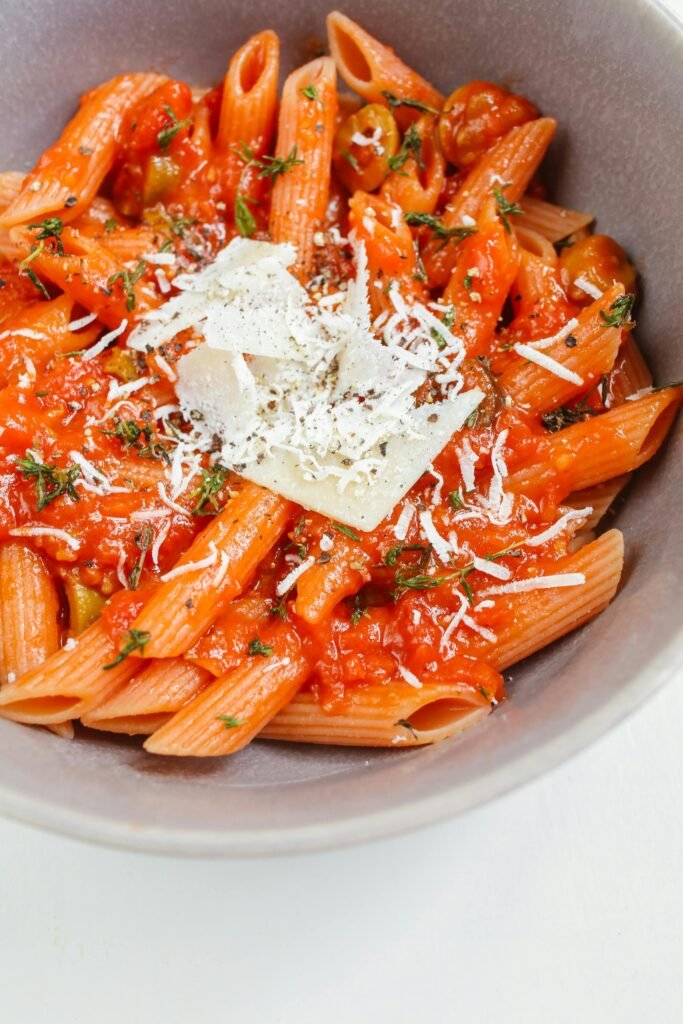
Good partitioning means more nutrients go toward muscle and performance.
Poor partitioning means more nutrients get stored as fat.
Same calories. Different outcome.
Metabolic Flexibility: Why you struggle to burn fat and carbs efficiently
Why It Matters for Body Recomposition
If your goal is to:
- Lose fat while maintaining muscle
- Gain muscle without excessive fat
- Improve metabolic health
Then nutrient partitioning is everything.
When partitioning is favorable:
• Carbohydrates refill muscle glycogen
• Protein supports muscle repair
• Fat storage is minimized

When it’s unfavorable:
• Carbs are more likely stored in adipose tissue
• Muscle protein synthesis is suboptimal
• Fat gain occurs more easily during surplus

This is why two people can run the same “lean bulk” and get very different results.
What Influences Nutrient Partitioning?
Several major factors determine where calories go:
1. Muscle Mass
More muscle increases glucose disposal and protein utilization.
Muscle acts as a metabolic sink.
2. Insulin Sensitivity
Higher insulin sensitivity improves nutrient delivery to muscle tissue instead of fat tissue.
3. Resistance Training
Training creates a demand signal.
After lifting, nutrients are more likely to support recovery rather than storage.
4. Energy Status
Chronic surplus worsens partitioning.
Strategic deficits can temporarily improve it.
5. Sleep and Stress
Poor sleep and high cortisol negatively affect glucose handling and nutrient allocation.
here: Insulin sensitivity or insulin resistance
Why Calories Alone Are Not the Full Story
The “calories in vs calories out” model explains weight change.
It does not explain tissue change.
Body recomposition depends on:
• Hormonal environment
• Training stimulus
• Muscle mass
• Metabolic flexibility
• Insulin sensitivity
Calories determine magnitude.
Partitioning determines quality.
Scientific Precision
Nutrient partitioning describes the physiological processes that regulate substrate allocation between oxidation, storage, and tissue synthesis.
In a metabolically healthy individual:
- Skeletal muscle efficiently uptakes glucose via insulin-mediated GLUT4 translocation
- Amino acids stimulate muscle protein synthesis through mTOR activation
- Post-exercise nutrient delivery favors glycogen restoration and tissue repair
In metabolically compromised states:
- Insulin resistance reduces glucose uptake in muscle
- Lipid oxidation is impaired
- A greater proportion of energy is directed toward adipose storage
Resistance training enhances nutrient partitioning by increasing muscle insulin sensitivity, mitochondrial density, and anabolic signaling pathways.
Muscle mass is therefore one of the most powerful determinants of long-term partitioning efficiency.
Practical Implication
If you want better nutrient partitioning:
• Build and maintain muscle
• Lift consistently
• Avoid prolonged uncontrolled surpluses
• Improve insulin sensitivity
• Manage stress and sleep
Fat loss and muscle gain are not only about eating less or more.
They are about directing nutrients with intention.
Final Thought
You don’t just eat calories.
You allocate them.
And the body you build depends on where they are sent.
Sources
Ivy, J. L. (1998). Role of exercise training in the prevention and treatment of insulin resistance and non–insulin-dependent diabetes mellitus. Sports Medicine.
https://link.springer.com/article/10.2165/00007256-199825050-00005
Phillips, S. M. (2014). A brief review of critical processes in exercise-induced muscular hypertrophy. Sports Medicine.
https://link.springer.com/article/10.1007/s40279-014-0152-3
Zurlo, F., Lillioja, S., Esposito-Del Puente, A., et al. (1990). Low ratio of fat to carbohydrate oxidation as predictor of weight gain. The American Journal of Clinical Nutrition.
https://academic.oup.com/ajcn/article/51/4/622/4695133
One Comment